

Prefer to listen?
Tap here to play it in the Substack app
Art books have always been a source of inspiration for me. Whether it’s reading about an artist’s life, the story behind a single painting, or simply taking in the images page by page, these books offer something that stays with me. Here are a few that I’ve found meaningful over the years, books I come back to when I need to reconnect with why I paint.
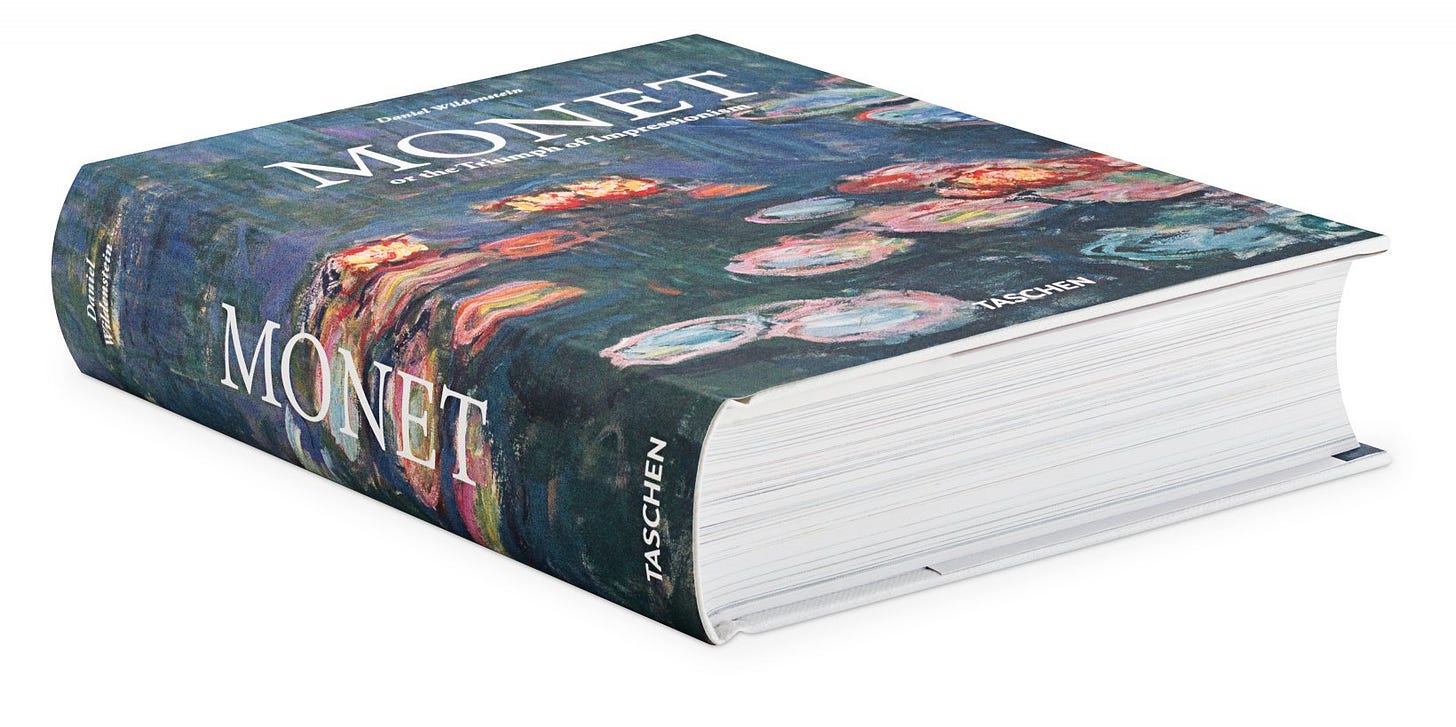
Monet: The Triumph of Impressionism by Daniel Wildenstein
A beautifully produced book tracing Claude Monet’s artistic evolution from his early fascination with Japanese prints to the luminous water lilies of Giverny. If you’ve ever felt captivated by how light transforms a painting, this offers a powerful look at how Monet studied, understood, and mastered it.
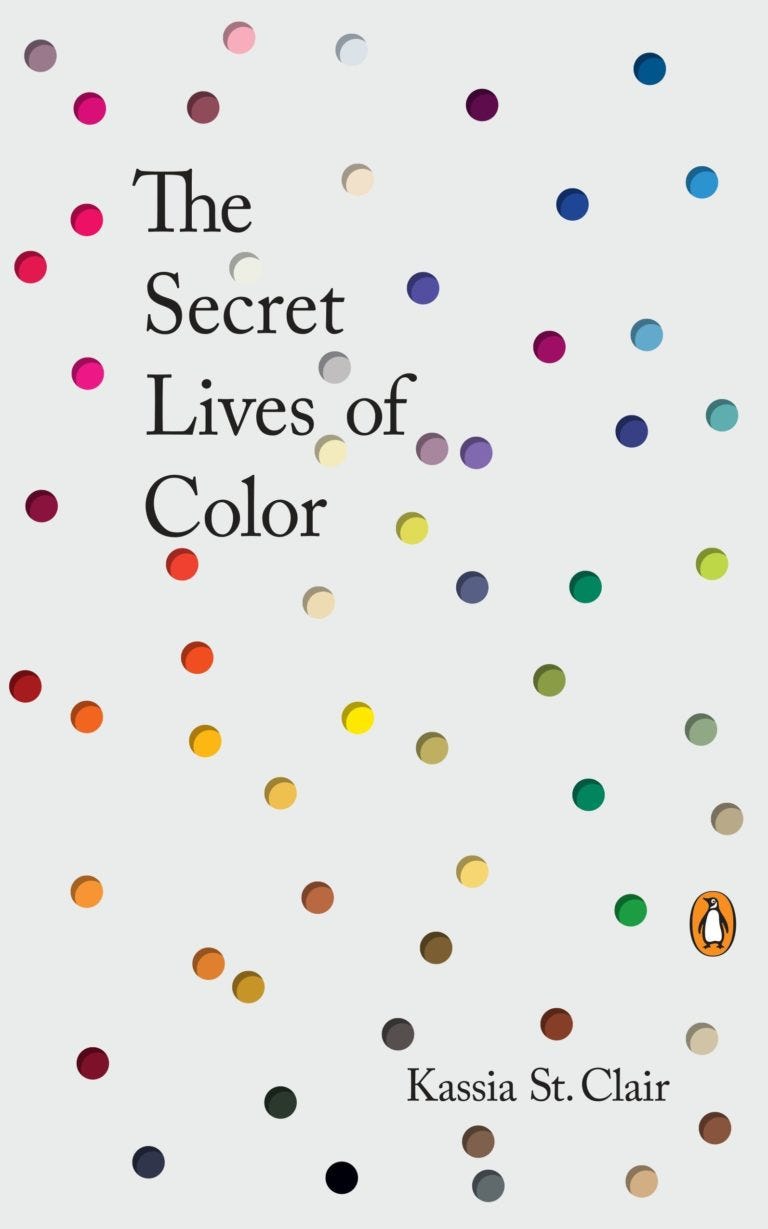
The Secret Lives of Colour by Kassia St. Clair
Amazing! This book is a vibrant exploration of 75 remarkable shades and the stories behind them. From the charcoal that lines ancient cave walls to the acid yellow of punk rebellion, it weaves colour into the fabric of human history. Whether it’s the brown that changed military tactics, the white that fought off plague, or the blue that shaped Picasso’s art, each chapter opens a surprising window into how colour has influenced art, politics, fashion, and culture. If you’re drawn to the meaning behind pigments and how they’ve shaped the way we see the world this one’s a standout.
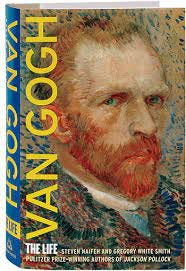
Van Gogh: The Life by Steven Naifeh and Gregory White Smith
An in-depth, definitive biography of Vincent van Gogh, more than ten years in the making. Widely regarded as one of the most comprehensive accounts of his life, this book offers a richly detailed portrait of the artist his struggles, his intensity, and the creative drive that shaped his work. If you’ve ever wanted to understand van Gogh beyond the myth, this is essential reading.
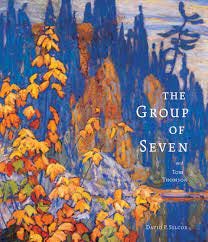
The Group of Seven and Tom Thomson: A Data-Driven History by David Silcox and Harold Town
This book offers a compelling deep dive into the Group of Seven through both narrative and data. It maps out their exhibitions, critical reception, and evolving styles with clarity and precision. For anyone interested in Canadian landscape painting, it’s an insightful and structured look at how these artists helped define a national art movement.
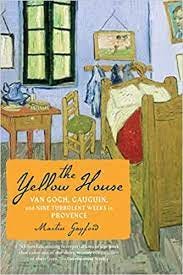
The Yellow House by Martin Gayford
Set during the intense weeks Van Gogh and Gauguin lived and worked together in Arles, this is a compelling look at creativity under pressure. Gayford explores the fragile partnership between two visionary but volatile artists, revealing how their contrasting styles and personalities shaped their time together and their work. A vivid account of art, conflict, and the pursuit of meaning on canvas.
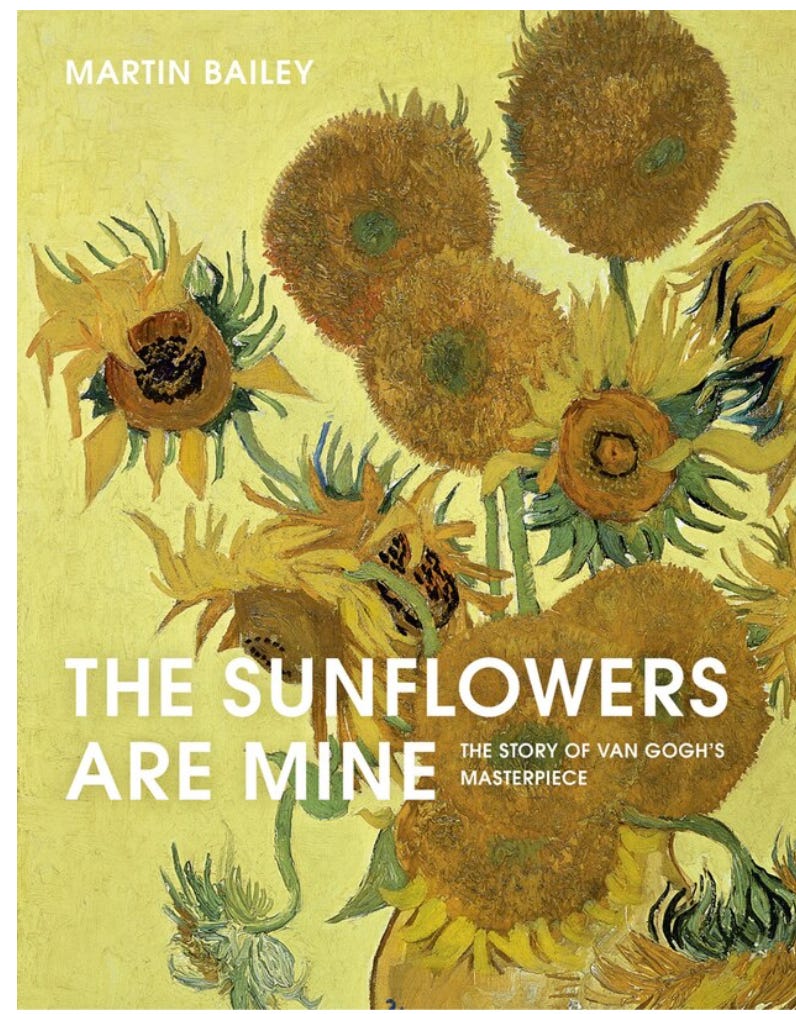
Sunflowers: The Story of Vincent Van Gogh’s Masterpiece by Sherry Marker
A concise yet compelling exploration of how Sunflowers came to define Van Gogh’s legacy. This book traces the painting’s origins, meaning, and rise to iconic status, offering insight into both the artist’s process and the enduring power of a single image. Perfect for anyone who feels a connection to Van Gogh’s work and wants to understand one of his most celebrated pieces more deeply.
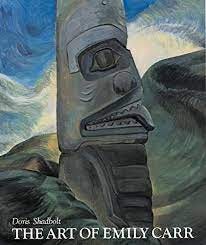
The Art of Emily Carr by Doris Shadbolt
Emily Carr’s deep connection to the Canadian wilderness has always stayed with me. This book offers a thoughtful and comprehensive look at her life her early struggles, her spiritual relationship with nature, and her time spent immersed in the forests and Indigenous cultures of British Columbia. Shadbolt traces Carr’s artistic evolution, from her early work shaped by European influence to the powerful, expressive style that became uniquely her own. Through essays, reproductions, and personal reflections, the book reveals the solitude, vision, and courage that defined her practice. If you’re drawn to art that’s rooted in place and spirit, this is a moving and essential read.
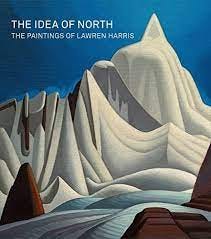
The Idea of North: The Paintings of Lawren Harris by Gregory Ballantyne
There’s a quiet, spiritual clarity in Lawren Harris’s Arctic and northern landscapes that continues to stay with me. This book gathers many of those iconic works and pairs them with reflections on his personal journey from the early days of the Group of Seven to his later, more abstract explorations. It also touches on his deep interest in theosophy and how that shaped both his worldview and his approach to painting. If you’ve ever stood in front of one of his canvases at the McMichael or the AGO and felt something beyond the image, this book helps articulate why.
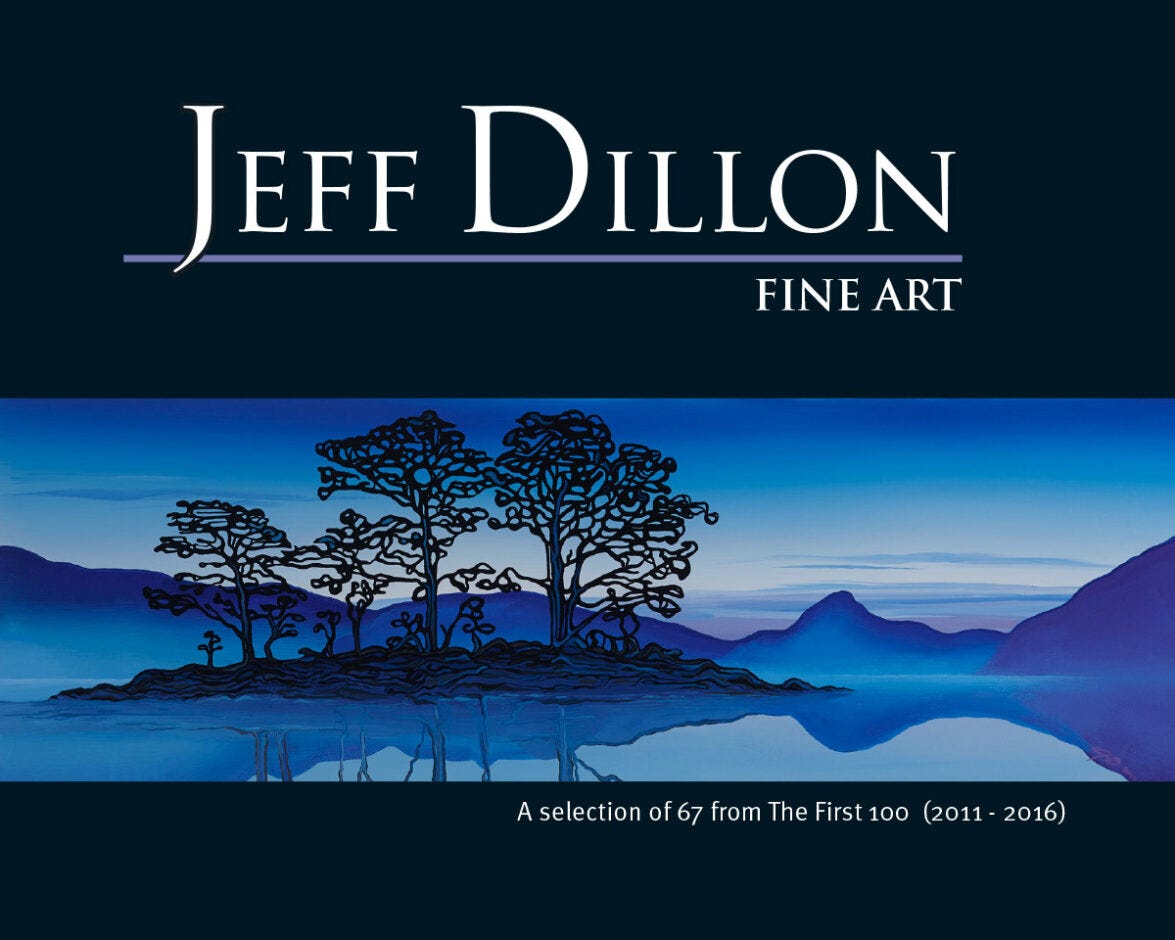
A Note on My Own Book
My first book featuring 67 of 100 paintings from my early body of work created between 2011 and 2016 it is now sold out, with 500 copies out in the world. It marked an important step in documenting the first 100 paintings of my journey. Thank you to everyone who’s picked one up over the years.
The next book is planned for release in 2025/2026 more on that soon ☺
These are just a few of the books that have stayed with me—helping me understand not just how art is made, but why it matters. They’ve shaped the way I see, think, and paint. If there’s an art book that’s meant something to you, I’d be glad to hear about it.
Thanks for reading,
Jeff