

Prefer to listen?
Tap here to play it in the Substack app
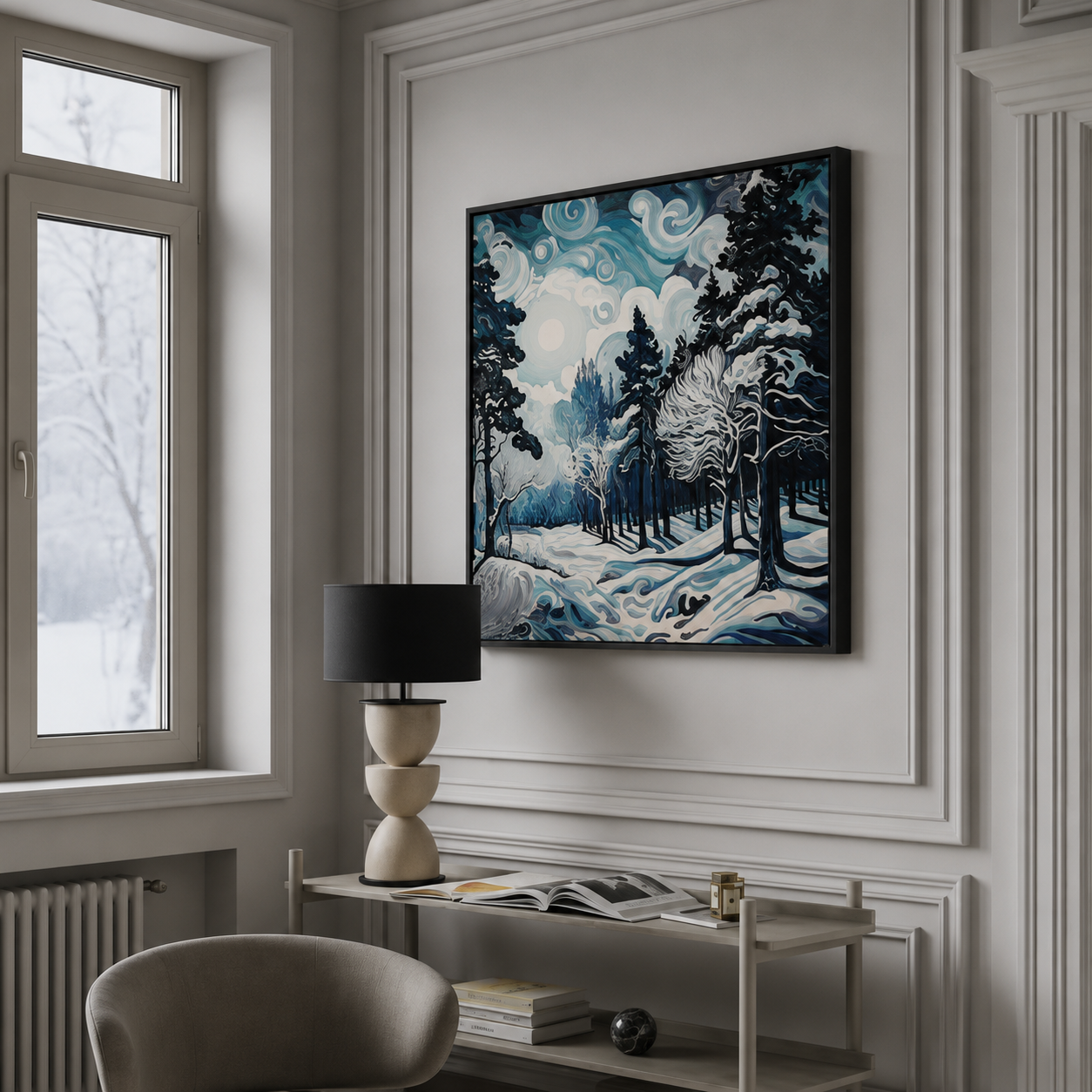
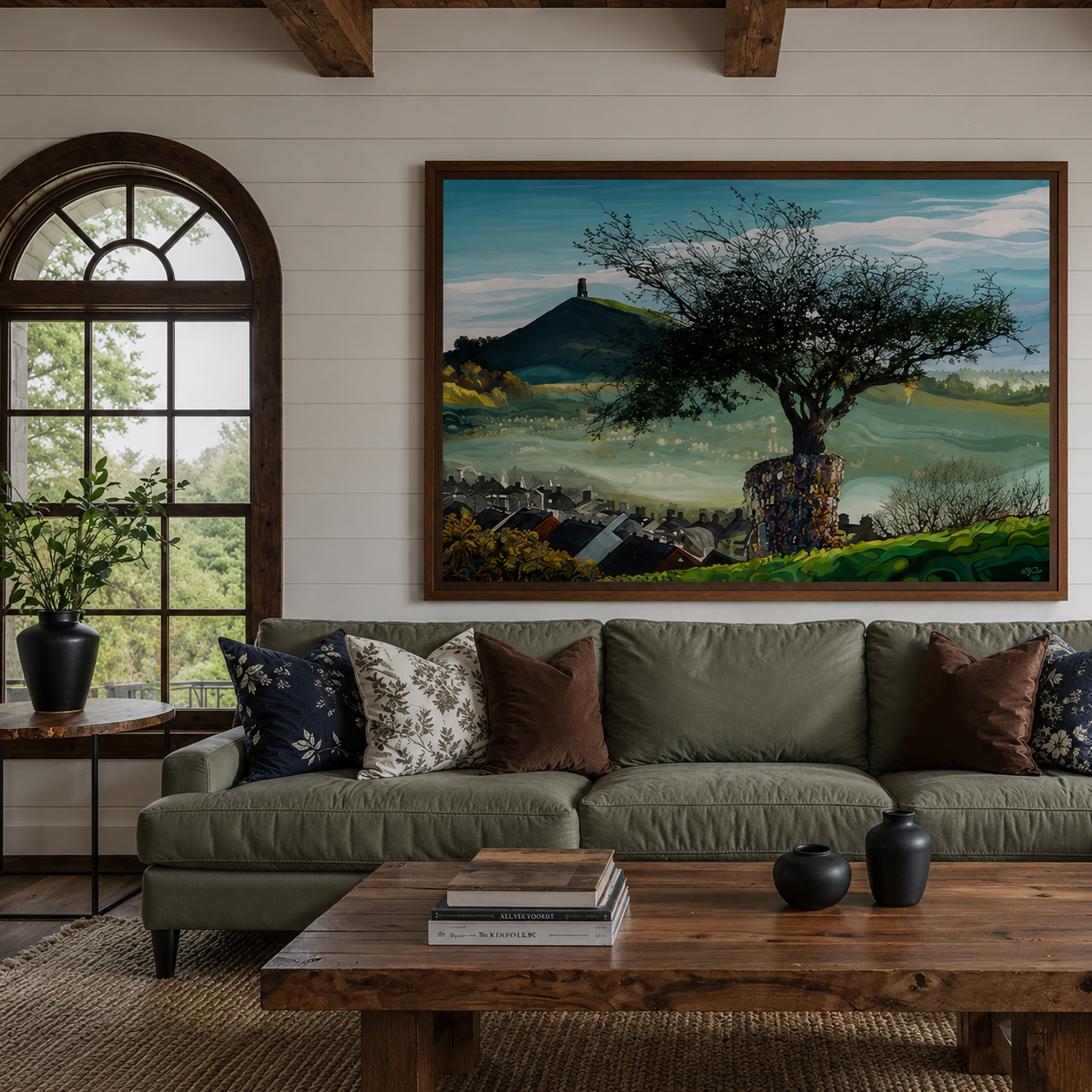
When it comes to choosing art, size can be just as important as the piece itself. A painting that feels right on the wall brings balance to the entire room. The wrong scale, even with a beautiful work, leaves things unsettled. I’ve seen small pieces vanish above fireplaces and large canvases overwhelm a space instead of enriching it. Scale isn’t about filling gaps, it’s about how the art connects with the furniture, the architecture, and the atmosphere around it.
In this post I’ll share how I approach scale and ratio, and how to find the right fit so your artwork feels like it belongs. I’ve included more images than usual to give you a visual sense of how size changes a room, showing the difference between pieces that disappear, dominate, or bring harmony.

Why Size Matters
Picture a bold landscape above a mantel. Too small, and it disappears into the wall, more like decoration than presence. Too large, and it swallows the room, leaving little space for anything else to breathe. The right size lives in between, strong enough to command attention but balanced enough to feel part of the room.

It isn’t only about the measurements of the wall. It’s also about what you want the art to do. Should it be a focal point that commands attention the moment you enter? Or should it be a piece that enriches the environment more quietly, supporting the overall tone of the room? Both choices are valid, but each depends on choosing the right dimensions.

Personally, I love large statement pieces that feel immersive. When you stand in front of them, the room almost falls away and the painting pulls you in. Smaller works, by contrast, invite intimacy. They encourage closer looking. The scale sets the kind of conversation you and your visitors will have with the artwork.
Understanding Ratios and Dimensions

Here’s a chart showing most of my paintings organized by size and grouped by ratio. Limited edition prints are only produced in their original ratios and within these specified ranges.
Every painting carries its own ratio, the relationship of height to width. This matters because it preserves the balance of the composition. Changing ratios through cropping or distortion alters the integrity of the image. That is why my limited edition prints are always produced in the exact ratio of the original painting.
Here are the most common ratios and how they interact with space:
1:1 (Square): Balanced and versatile. Works beautifully in both small spaces and as large statement pieces. Available in a wide range, from 16×16 up to 48×48.
3:2 and 4:3 (Rectangular): The most traditional formats. They suit landscapes, portraits, or scenes that work in either vertical or horizontal orientation.
16:9 (Panoramic): Perfect above a sofa, bed, or fireplace. Wide and immersive, it fills space horizontally without requiring extra height.
Circular works: Less common but striking, often creating a unique focal point. Currently, I have not painted any work that is circular.
On my website, you’ll find a filter that lets you browse by orientation or ratio. This makes it easier to match the proportions of the wall you’re working with. For example, a narrow vertical wall may call for a portrait ratio, while a wide living room might need a panoramic piece that spreads across the space.
Choosing Art to Fit Your Space
Start with measurements. Knowing the width and height of the wall gives you a framework to work within. For instance, a wall that’s 75 by 35 inches would feel best with a painting that fills most of that width without overwhelming the height.
Consider the architecture around the art. Above furniture, such as sofas, beds, or mantels, height is often limited. This is where panoramic ratios shine. They emphasize width and create presence without pushing against ceilings or crowding vertical space.
Think about the role the artwork should play. Do you want it to be the centrepiece, or part of a gallery wall where multiple works speak together? Both can be powerful, but each depends on proportion. Using ratios as a guide will help you narrow the options so that the piece feels like it was made for the room.

Gloss metal print for outdoor art #278 – “Against the Wind”, Paintings by Jeff Dillon Fine Art
Art can also extend beyond interiors. My gloss metal prints are designed to thrive outdoors as well as inside. Because the image is infused directly into the surface of the panel, they are waterproof, scratch-resistant, and UV-protected. They won’t warp or fade in sunlight, and they’re easy to clean, which makes them a striking option for patios, gardens, or outdoor business settings where durability and presence matter just as much as appearance.
Framing and Spacing
The final step is how the piece is placed. Leaving six to twelve inches of breathing room around the edges helps prevent the wall from feeling crowded. This spacing is especially important when the work is above furniture. It ensures the piece feels centered and intentional.
Framing is also part of scale. A black gloss floater frame on a canvas print, for example, extends the edges outward and makes the work feel more substantial. A thin frame on a paper print might keep the emphasis squarely on the image itself. These choices all affect how the art interacts with the room.

About My Limited Edition Prints
Every print I create is designed to preserve the integrity of the original painting. They are produced in the same ratio, with no cropping or resizing.
Canvas Prints: Offered either rolled with an extra three inches for stretching, or pre-stretched and ready to hang. Optional black gloss floater frames add 0.75 inches to each side.
Museum Paper: Archival cotton paper, matte finish, with a half-inch white border for framing.
Gloss Metal Prints: Durable and striking, infused into the surface of an aluminum panel. Scratch-resistant, UV-resistant, and suitable for both indoor and outdoor display.
Every limited edition print comes signed, numbered, and accompanied by a Certificate of Authenticity. Orders are tracked and typically arrive within 3 to 10 business days.

#273 – “Winter Solstice”, Original Work By Jeff Dillon
The right size of artwork does more than complete a wall. It sets balance in a room, creates a sense of intention, and often becomes the detail people remember most about a space. By thinking about ratios, scale, and placement, you give the art the chance to work as it was meant to, and you give the room the presence it deserves.
To explore original paintings and limited edition prints created in a range of ratios and dimensions, visit JeffDillon.ca.
Thanks for your time
~Jeff