

Prefer to listen?
Tap here to play it in the Substack app
At the end of each painting session, I pause. I step back, not just to check the proportions or composition, but to feel what the work is saying back to me. Most days I quietly go over what still needs my attention. Maybe the balance is slightly off, or a colour needs to be softened, deepened, or brought forward. Sometimes it’s just a feeling that something in the painting hasn’t quite settled. I do this every day until the list of changes starts to shrink. At a certain point, I realize the adjustments I’m making aren’t really improving anything. They’re just keeping the brush moving.
That’s when I know I’m getting close.

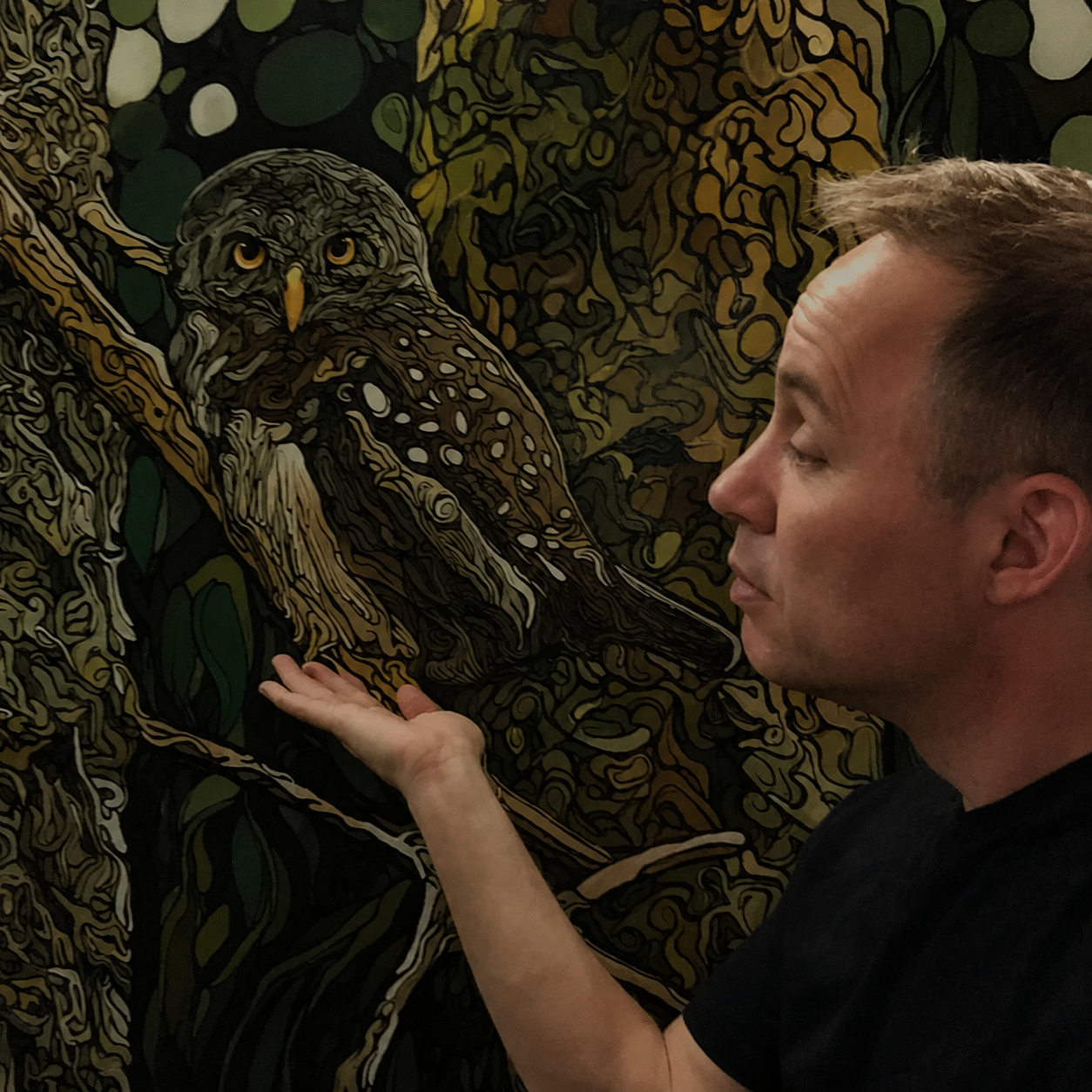
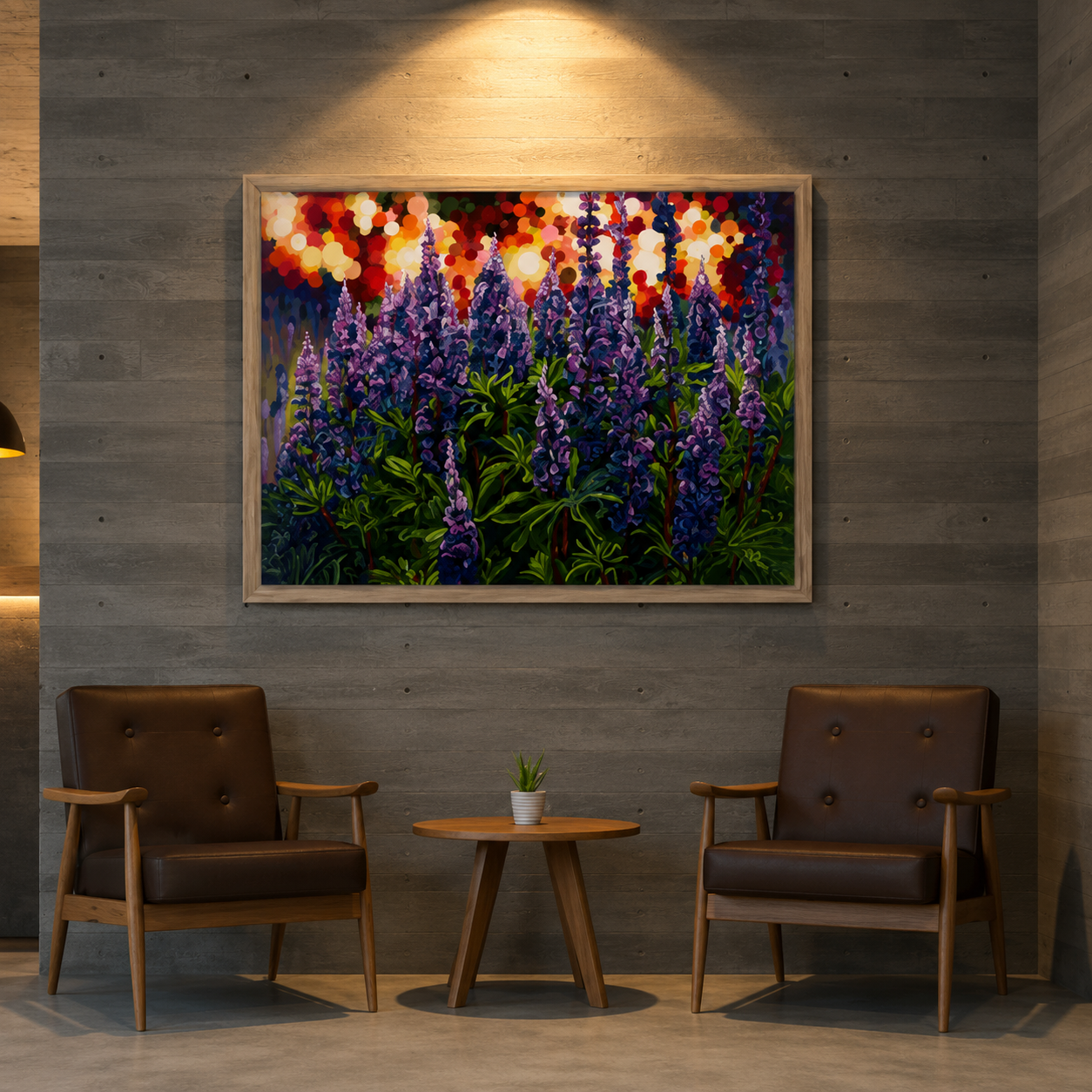
#286 – Weathered Yet Unbroken, Original Work By Jeff Dillon
I don’t usually name a painting until the very end. If I do it too early, it feels like I’m forcing an ending onto something that’s still unfolding. Throughout the process, I’m often critical of what I’ve done, not to tear it down, but to stay honest with myself. That mindset helps me keep learning. Every painting teaches me something, even if it doesn’t turn out the way I first imagined. That’s part of what keeps me coming back each day.
Some painters talk about the risk of overworking a piece, but that hasn’t been my experience. There have been plenty of times when I thought a painting was finished, but I kept going. The extra hours or days often brought out something unexpected, sometimes even my favourite part. I’m almost always glad I didn’t stop too soon.
Earlier in my career, I worked more quickly. I was eager to finish a piece and move on to the next idea. There was always something new I wanted to explore, and I felt that constant drive to keep creating. Now I take more time with each painting. I remind myself that I have a lifetime to paint. The work has become more complex, and the scale is often larger. I may not complete as many in a year. It’s not that I cared any less about the earlier pieces. I’ve simply learned more over time and developed a greater sense of patience. The paintings I finish now reflect that growth.
Sometimes I reach a point where the ideas I’m working with start to grow beyond what the painting can hold. Even if there’s still more I could add or refine, I know it’s time to move on. It’s not about giving up, it’s about recognizing that the next painting might be the place to explore those bigger ideas. Some pieces could have been pushed further, but I choose to carry the momentum and lessons forward. Not everything needs to be resolved in a single canvas.

I usually start with the farthest point of perception, building the background before moving into the foreground. When the colours and forms begin to connect, the painting starts to find its rhythm. Some pieces come together more smoothly than others, flowing naturally from one stage to the next. Even then, I stay critical throughout the process. That steady pressure helps me stay focused and keep improving. It’s simply how I work.
Certain paintings have challenged me in a way that makes parting with them feel less like letting go of the work and more like stepping away from something I’ve worked hard to overcome. It isn’t about ownership. It’s about what I went through to complete them. They hold the experience of struggle and breakthrough, and sometimes that’s hard to let go. But I remind myself to keep painting. That’s the only way to keep growing.
I’m not chasing perfection, and I’m not trying to paint the world exactly as it looks. What I’m after is a feeling, life expressed through movement, light, and colour. From a distance, I want the painting to feel grounded and believable. But as you get closer, the image gives way to gesture, texture, and abstraction. That’s how I see the world. A tree far off is a single shape, but up close, it becomes layers of bark, shadow, and detail. The illusion depends on contrast, and on trusting the viewer to bring their own perception into the experience.

Even after I finish a painting, it often takes time before I can see it clearly. Sometimes it’s weeks or months later when I recognize what the piece actually holds. When I’m too close to the work, I focus on what could have been better rather than what’s working.
When someone looks at one of my finished paintings, I want it to feel alive, not just in movement across the canvas, but in the sense that time is always shifting. I want it to evoke the feeling that there was a world before us, and there will be one after us. The Canadian landscape is always changing. Even when it looks still, there is movement in the sky, in the water, in the earth. I hope the viewer’s eye keeps exploring, drawn to something they didn’t see the first time.

Once I sign a painting, it is finished. I never go back to retouch or repaint it. That is the final decision. Good or bad, I take what I learned and start something new. Sometimes I shift the subject entirely for a change. Other times I stay with a theme because I feel there’s more to say.
Either way, I continue. That is the rhythm I trust.
~Jeff